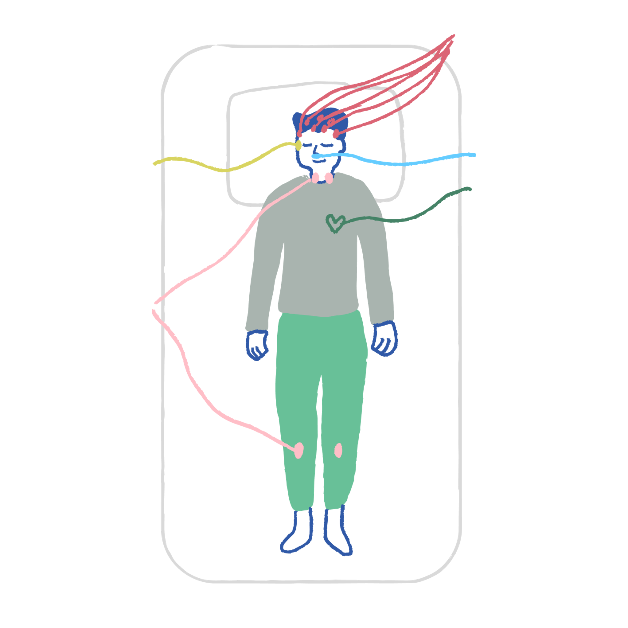

E-Learning Course Sleep & Dreams
As part of my Master’s thesis study, I designed an e-learning course teaching participants core concepts of sleep & dreaming.
Julius-Maximilians-Universität Würzburg
My Role
- Development of educational content & storyline
- Creation of illustrations & videos
- Design and development of e-learning course in Captivate
- User testing & implementation
Context
As part of a research project, we were conducting a study on learning with social robots. We used social robot Pepper as a tutor, teaching participants about First Aid verbally and via its tablet attached to its chest.
The Goal
The goal was to develop an e-learning course teaching participants about core concepts of sleep & dreams, allowing for a follow-up assessment of recall, comprehension and knowledge transfer.
Analysis
Learners:
German university students without specific knowledge, but with a general interest in the topic
Needs & motivation:
No specific need or problem, but intrinsic motivation (interest in topic) & extrinsic motivation (university incentives)
Gap:
Knowledge gap
Environment:
Laboratory study on computer, next to other participants
Learning goal:
After completing the e-learning course, learners will be able to name and classify
- the physiological changes that occur during sleep
- the polysomnic measurements in a sleep laboratory
- the concept of sleep regulation
- theories about dreaming
and apply this knowledge to everyday examples.
Design
Colors

Storyline
The course introduces the learning content by embedding it in contexts that are relatable to the user. Familiar everyday scenarios picture the user in the university cafeteria or at a movie night with friends, where sleep-related questions arise. Learners then explore the material to find answers to these questions and reflect on them.
Visuals
(Selection)


E-Learning Course


Evaluation
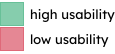
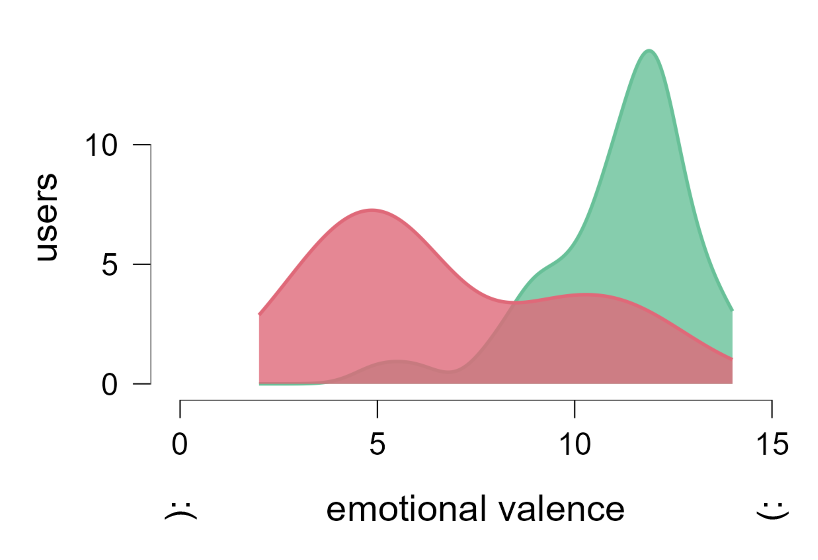
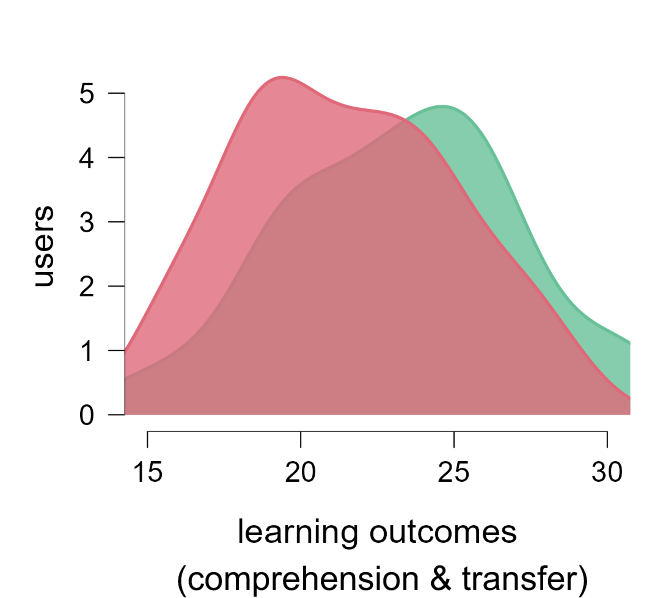
Note: As the e-learning course was part of a study design comparing high- and low-usability versions of a learning program,
the data are presented accordingly.
high usability ratings

positive emotional experience
better learning outcomes
The Study
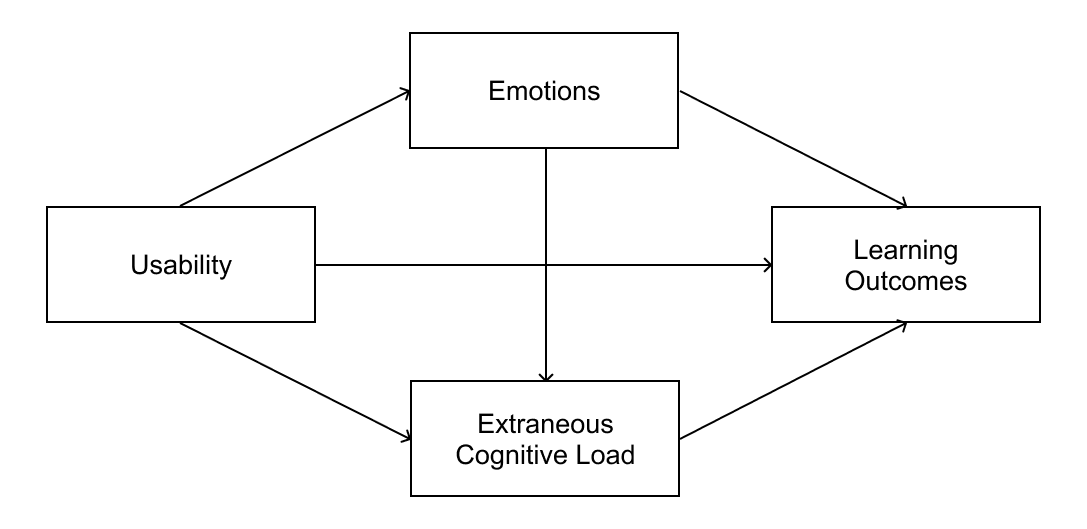
What is the study about?
- Is usability an important factor in designing e-learning courses?
- Does usability affect learning outcomes and why? What role do emotions and cognitive load play in this relationship?
How was it done?
Participants completed an e-learning course on sleep and dreaming,
which was administered in two versions: one designed for high usability and one intentionally designed with low usability
(e. g. counterintuitive navigation, inconsistent layout, extended loading times).
Participants’ learning outcomes, emotions and cognitive load were measured to test the proposed serial mediation framework.
Skills & Learnings
- Video production & voiceover
- Instructional design procedures
- UX & Learning experience design principles
- Illustration & animation
- Scientific research & advanced statistics
As part of a my Master’s thesis, I conducted a study examining how the usability of
digital learning interfaces impacts learning outcomes. As part of the study, participants completed a learning session.
As part of a my Master’s thesis, I conducted a study examining how the usability of digital learning interfaces impacts learning outcomes. As part of the study, participants completed a learning session.
For this purpose I developed an e-learning course teaching participants about core concepts of sleep & dreams, allowing for a follow-up assessment of recall, comprehension and knowledge transfer.
Learners:
German university students without specific knowledge, but with a general interest in the topic
Needs & motivation:
No specific need or problem, but intrinsic motivation (interest in topic) & extrinsic motivation (university incentives)
Gap:
Knowledge gap
Environment:
Laboratory computer study, next to other participants
Learning goal:
After completing the e-learning course, learners will be able to name and classify
- the physiological changes that occur during sleep
- the polysomnic measurements in a sleep laboratory
- the concept of sleep regulation
- theories about dreaming
and apply this knowledge to everyday examples.
Colors
Storyline
The course introduces the learning content by embedding it in contexts that are relatable to the user. Familiar everyday scenarios picture the user in the university cafeteria or at a movie night with friends, where sleep-related questions arise. Learners then explore the material to find answers to these questions and reflect on them.
Visuals (Selection)
The course was developed using Adobe Captivate and Microsoft Powerpoint.
Illustrations, animations and infographics were designed in Figma.
Video and voiceover were created with Animator.
My Role
- Development of educational content & storyline
- Creation of illustrations & videos
- Design and development of e-learning course in Captivate
- User testing & implementation
Note: Note: As the e-learning course was part of a study design comparing high- and low-usability versions of a learning program, the data are presented accordingly.

high usability ratings
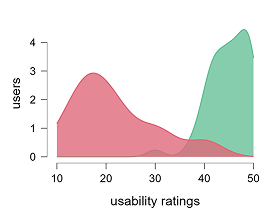
positive emotional experience
better learning outcomes
“Usability as an Emotional Design Factor: Effects on Learning Mediated by Emotions and Cognitive Load”
What is the study about?
- Is usability an important factor in designing e-learning courses?
- Does usability affect learning outcomes and why? What role do emotions and cognitive load play in this relationship?
How was it done?
Participants completed an e-learning course on sleep and dreaming,
which was administered in two versions: one designed
for high usability and one intentionally designed with low usability (e. g. counterintuitive navigation,
inconsistent layout, extended loading times).
Participants’ learning outcomes, emotions and cognitive load were measured to test the proposed serial mediation framework.